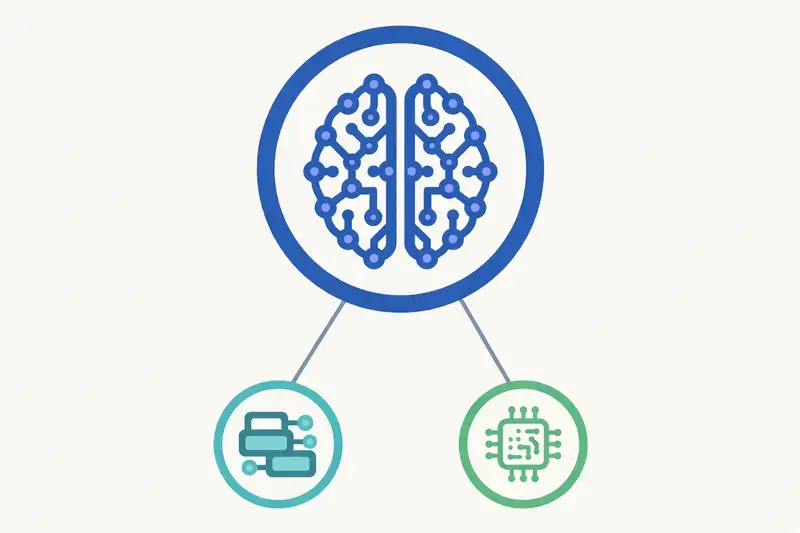
ChatGPT runs on a family of GPT-5 models, and the picker offers three modes: Instant for fast everyday answers, Thinking for hard multi-step work, and Pro for research-grade accuracy.
OpenAI folded dozens of older model names into one generation. GPT-5 sits at the center as the default, with Mini, Nano and Pro versions around it. OpenAI introduced GPT-5 as a unified system that blends fast chat with deep reasoning in one place.
The GPT-5 family at a glance
GPT-5 launched on 7 August 2025 as a single family rather than one model. The full GPT-5 handles everyday chat, writing, research and coding. GPT-5 Mini answers faster and costs less, so it serves high-volume jobs like support replies. GPT-5 Nano is the smallest of the set, built for simple tasks where speed matters more than depth. GPT-5 Pro takes the longest and thinks the hardest, and it stays behind the Pro plan for work where a wrong answer costs real money.
Later point releases added polish. GPT-5.1 arrived in November 2025 with warmer replies and clearer Instant and Thinking modes. GPT-5.2 followed in December 2025 with stronger reasoning. Each release kept the same shape: one family, several sizes, one picker.
| Model | Best for | Who gets it |
|---|---|---|
| GPT-5 | Everyday chat, writing, research | All plans |
| GPT-5 Instant | Quick answers where speed matters | All plans |
| GPT-5 Thinking | Coding, math, multi-step analysis | All plans, higher limits on paid plans |
| GPT-5 Mini | High-volume simple tasks | All plans, often as a fallback |
| GPT-5 Nano | The lightest, fastest jobs | Developers through the API |
| GPT-5 Pro | Research-grade accuracy | Pro plan |
Instant, Thinking and Pro: what the modes mean
Instant answers first and thinks later. It suits short questions, quick drafts, summaries and casual chat. The reply arrives in seconds, and for simple prompts the quality matches the slower modes.
Thinking pauses before it answers. It works through the problem step by step, checks its own logic, and then replies. Coding bugs, math problems, long documents and research questions belong here. The wait runs longer, sometimes a minute or more, and the answer usually earns it.
Pro runs the same reasoning at a larger scale, with more parallel checks before it commits to an answer. OpenAI built it for tasks where accuracy beats speed: scientific analysis, legal research, complex code review. It costs the most in time and in plan price, so it fits a small share of prompts.
Auto mode, the default, reads your prompt and picks for you. Leave it on and switch only when the first answer misses the mark.
Which ChatGPT model should you use
Match the model to the stakes of the task, not to the size of your curiosity. A quick fact needs Instant. A report that your boss will read needs Thinking. A calculation that decides a budget needs Pro, or at least a Thinking answer that you check against a second source.
Free accounts get GPT-5 with daily usage limits. When the limit runs out, the app falls back to GPT-5 Mini, which still answers but with less depth. Plus raises the limits and unlocks higher Thinking usage. Pro removes most caps and adds GPT-5 Pro. The plan matters less than the habit: ask the hard question, read the answer with care, and switch modes when the reply feels thin.
Developers see a different list. The API offers GPT-5, GPT-5 Mini and GPT-5 Nano as separate models with prices per token, plus open-weight models for local use. App access and API access run on separate schedules, so a model can leave the ChatGPT picker while it stays live for developers. The Model Press tracks the full OpenAI lineup with release dates and API status.
What happened to GPT-4o, o3 and the older models
GPT-4o anchored ChatGPT through 2024 and most of 2025. It handled text, images and voice in one model, and many users still ask for it by name. OpenAI retired it from the ChatGPT picker when the GPT-5 family took over. GPT-4.5, GPT-4.1 and the o-series reasoning models o3 and o4-mini followed the same path out of the app.
Retirement from the picker does not always mean retirement everywhere. Some older models stay reachable through the API for developers who built products on them. Others shut down on a published schedule. GPTOnline covered the GPT-5 launch and the way it replaced GPT-4o, o3 and GPT-4.1 as the default in one move. This guide to the current ChatGPT models explains Instant, Thinking and Pro in plain terms for anyone the picker still confuses.
How to change the model in ChatGPT
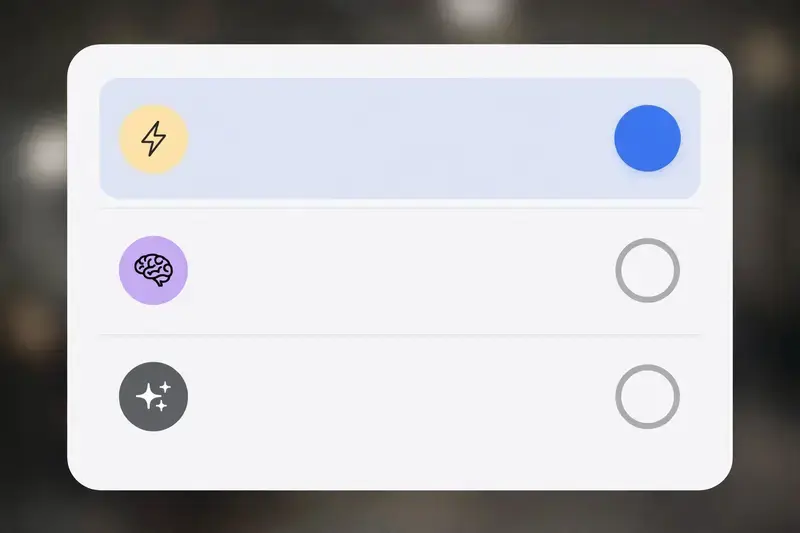
Open the model picker at the top of the chat window on the web, desktop or mobile app. Auto sits at the top. Below it, the current generation lists Instant, Thinking and Pro. Pick one and it applies to the next message. You can switch mid-conversation, so a chat can start fast and turn serious halfway through.
One habit saves more time than any model choice. Paste the full context into the first message: the goal, the audience, the format, and the facts that matter. A strong prompt on Instant often beats a vague prompt on Thinking.
ChatGPT keeps adding features around the models, and the new ones land in the same app. The ChatGPT new features guide tracks those changes, while the Gemini vs ChatGPT comparison shows how the rival assistant organizes its own lineup. The best AI tools comparison puts ChatGPT beside the rest of the field, and the Claude vs ChatGPT comparison covers the other model family most writers compare it with. For builders, the best AI SEO tools guide covers the tooling around the models, and the Sora guide shows what the video side can do.
Frequently asked questions about ChatGPT models
Which ChatGPT model is the best?
GPT-5 is the best default for most people because Auto routes each prompt to the right mode. Thinking wins for coding and research, and Pro wins for work where an error is expensive.
Is GPT-5 free?
GPT-5 is free in ChatGPT with daily usage limits. Paid plans raise those limits, and the Pro plan adds GPT-5 Pro.
What is the difference between Instant and Thinking?
Instant answers fast with light reasoning, while Thinking works through a problem step by step before replying. Instant fits quick questions, and Thinking fits coding, math and research.
Can I still use GPT-4o?
GPT-4o left the ChatGPT picker when the GPT-5 family took over. Developers can still reach some older models through the API, but the app no longer offers GPT-4o.
What is GPT-5 Mini?
GPT-5 Mini is a smaller, faster and cheaper version of GPT-5. It handles high-volume simple tasks and steps in as the fallback when free accounts hit their GPT-5 limits.
What is GPT-5 Pro?
GPT-5 Pro is the largest GPT-5 version, built for research-grade accuracy on the hardest tasks. It runs longer and costs more, and it stays behind the Pro plan.
Does the model picker matter for normal chat?
Auto handles normal chat well, so the picker matters only when an answer feels too thin or too slow. Switch to Thinking for hard problems and back to Instant for quick ones.