An AI voice changer is software that takes your voice as you speak or from a recording and rebuilds it so it sounds like a different voice, keeping your words and timing while changing the tone and character.
It is not a simple pitch slider. Old voice changers raised or lowered pitch and left the result thin and cartoonish. A modern AI voice changer studies how a target voice sounds and then resynthesizes your speech with that tone, rhythm and texture. The words stay yours. The voice that carries them does not.
How an AI voice changer works
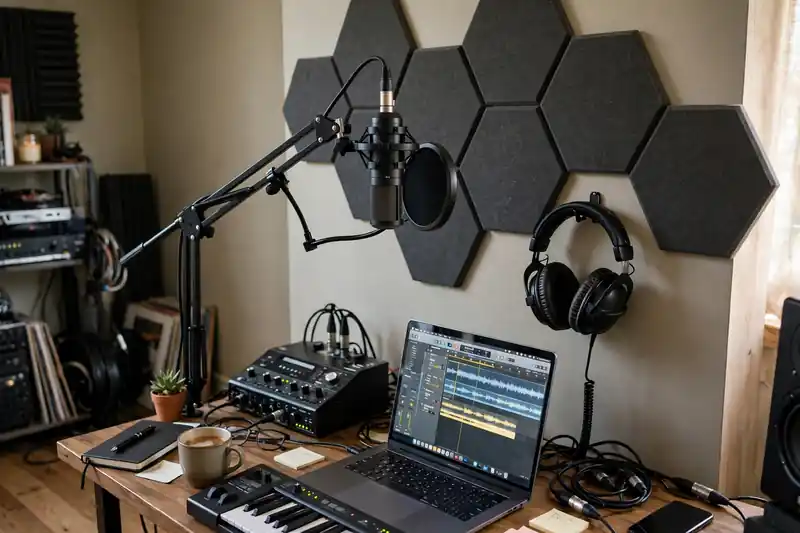
The process starts with capture. Your microphone picks up your voice, and the software strips out background noise and echo before any conversion begins. Clean input matters here. A noisy room gives the model less to work with, and the output sounds muddy.
Next comes analysis. The model looks at pitch, resonance, speed, rhythm and the small breaths and pauses that make speech sound natural. It separates what you said from how you sound saying it. That split is the core trick. Once the words are separated from the voice, the model can rebuild the same words with a new voice layered on top.
Then comes synthesis. A vocoder turns the processed signal back into audio you can hear. In a live tool this has to happen fast. Guides on live conversion put the target under 50 milliseconds from mic input to processed output, because anything slower makes a normal conversation feel delayed. Recorded tools have no such deadline, so they can spend more time on each second of audio and usually sound cleaner.
Two designs dominate. Real time tools install a virtual microphone driver and change your voice before Discord, Zoom, OBS or a game ever hears it. File based tools take a finished recording and rework it at higher quality. Pick the design that matches the job, not the one with the longest feature list.
Real time tools and recorded tools
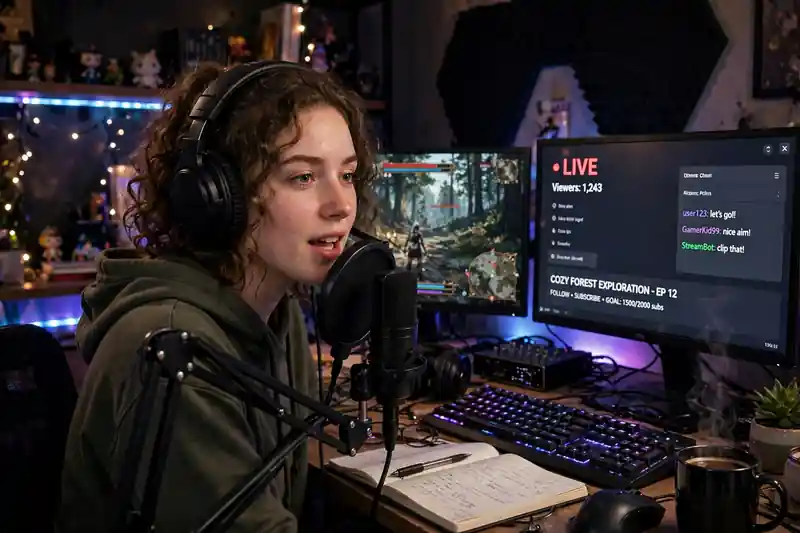
Real time changers suit streaming, gaming and live calls. Voicemod is the best known name in this group, with a library of more than 200 voices and a soundboard built for streamers. Dubbing AI offers a wider voice range, with 500 or more voices across 40 or more languages, and a free tier that rotates voices each day. Voice.ai leans on community made voices. Clownfish is a free option for basic live changing on Windows.
Recorded changers suit voiceovers, narration and singing. ElevenLabs Voice Changer converts uploaded or in app recordings into any of 10,000 or more voices, and charges through its API from 0.12 dollars per minute. Descript takes a different route. Its voice changer works on recorded audio inside the editor, and you can fix a line by editing the transcript text instead of re-recording it. Kits.AI focuses on music and singing voices, with licensed voices and producer tools such as stem splitting.
What to check before you pick one
Latency comes first for live use. Ask for a measured number, not a marketing word. A tool that adds a noticeable delay will make every call feel awkward, and no voice library fixes that.
Privacy matters more than most people expect. A cloud tool sends your voice to a server. A local tool such as the open source w-okada Voice Changer runs RVC models on your own hardware and sends nothing anywhere. If you record private calls or work material, local processing is the safer choice.
Where an AI voice changer actually helps
Privacy is a quieter use. A journalist or a caller who wants to hide their identity can mask their voice on a live call. It is not perfect protection, and it should never be the only safeguard, but it adds a layer that a simple pitch shift never did.
How to set one up in a few minutes
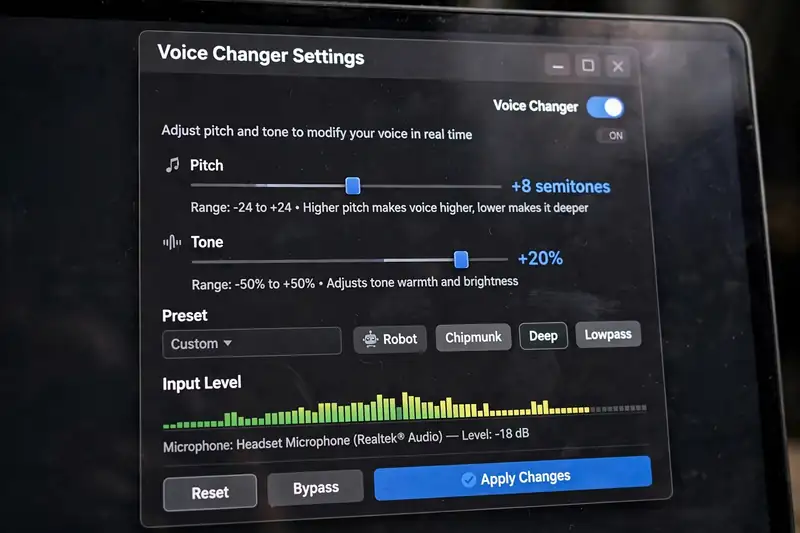
Install the tool and pick a voice. Set the tool as your microphone input in Discord, Zoom or OBS. Speak a test sentence and listen to the playback. Adjust the pitch and the conversion strength until the voice sounds natural instead of processed. Too much strength makes every voice sound the same. Too little leaves your own voice showing through.

Mistakes that make the result sound fake
The first mistake is picking a voice too far from your own. A deep voice model fed by a high voice will strain, and the result sounds robotic. Pick a target close to your natural range, then adjust from there.
The third mistake is ignoring the room. A voice changer cannot fix a bad mic or a noisy fan. Fix the input first, then judge the output.
The dubbing guide shows how voices are matched to video, and the AI music video generator guide covers sound in video projects. The text to video generator guide explains turning words into clips, and the image to video guide covers still images in motion. The conversational AI apps guide looks at voice chat tools, and the best AI tools comparison helps you pick between them.
Descript explains the split between live and recorded changers. HitPaw walks through the capture, analysis and synthesis stages. The AI Rankings guide compares Voicemod, Dubbing AI and ElevenLabs. Jammable compares singing voice changers.
Frequently asked questions about AI voice changer
What is an AI voice changer?
An AI voice changer is software that rebuilds your speech so it sounds like a different voice. It keeps your words and timing and changes the tone, pitch and character of the voice.
Is an AI voice changer free?
Some tools are free with limits. Clownfish and the open source w-okada Voice Changer cost nothing, while Voicemod, Dubbing AI and ElevenLabs offer free tiers with limited voices or minutes and paid plans for full access.
Can an AI voice changer work in real time?
Yes. Real time tools install a virtual microphone and change your voice as you speak, so Discord, Zoom, OBS and games hear the changed voice with only a small delay.
What is the difference between an AI voice changer and a voice clone?
A voice changer converts your live or recorded speech into another voice on the spot. A voice clone is a model trained on one person that can generate new speech from text in that voice.
Is it legal to use an AI voice changer?
Using one for entertainment, privacy or creative work is legal in most places. Impersonating a real person without consent, or using a changed voice to deceive someone, can break fraud and deepfake laws. Disclosure rules apply in the EU when AI creates a deepfake.
Which AI voice changer is best for gaming?
Voicemod is the most common pick for gaming and streaming, because it runs live on Windows and macOS and includes a soundboard. Dubbing AI suits players who want a larger voice library.
Can an AI voice changer change my voice on a phone call?
Most phone apps do not accept a virtual microphone, so live changing on a normal phone call is hard. You can record audio, change it with a file based tool, and send the recording instead.