ElevenLabs is an AI audio platform that turns written text into lifelike speech, clones voices, dubs video into other languages, and builds conversational voice agents.
Piotr Dabkowski and Mati Staniszewski, two Polish entrepreneurs, founded ElevenLabs in 2022, and the company runs offices in London and New York City. It grew fast because its voices sound like people rather than machines: the pacing, the pauses, and the emotion land close to a human recording at normal listening speed. Wikipedia records the 2022 founding and the two founders, and notes the company had 400 employees by 2026.
Text to speech, the core product
You paste a script, pick a voice from a library of more than 10,000 voices, and download the audio. The newest model, Eleven v4, is the fastest and most expressive, covering more than 90 languages with audio tags such as whispers and laughter that give finer control over delivery. Flash models trade a little quality for speed and cost about half the credits, which suits drafts and high-volume work. Older models, including Multilingual v2 and v3, still serve long-form narration well.
The platform runs in the browser, with mobile apps on the App Store and Google Play, and a full API for developers who want to generate speech inside their own apps. Nereo describes ElevenLabs as an audio platform that covers text to speech, voice cloning, dubbing, music, sound effects, speech to text, and voice agents under one roof.

Voice cloning, dubbing, and the rest
ElevenLabs offers two kinds of voice cloning. Instant Voice Cloning builds a working copy from about one to two minutes of clean audio, and it starts on the Starter plan. Professional Voice Cloning needs 30 minutes or more of recordings and starts on Creator, and it covers your own voice only. Cloning needs a consent confirmation, and the company restricts clones of certain public figures. That guardrail exists for good reason: cloned voices have already been used in fraud, including a 2024 robocall that imitated Joe Biden.
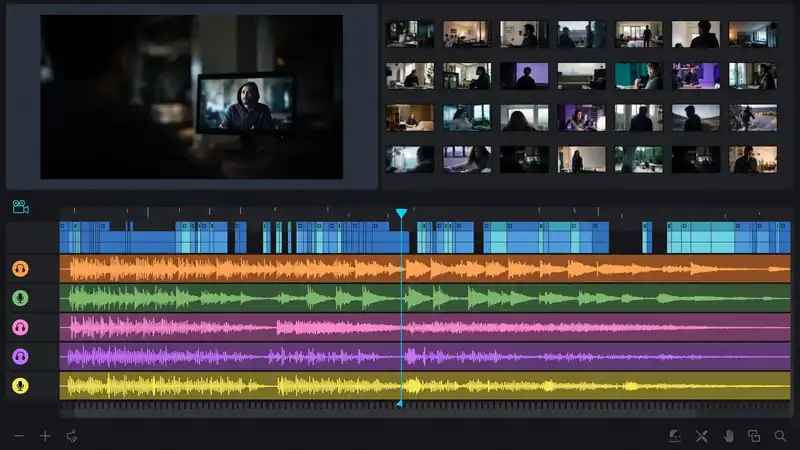
Dubbing takes an existing video and re-narrates it in a target language while keeping the original speaker’s voice character. Scribe turns audio and video into transcripts and captions in more than 90 languages, with up to 32 speakers and word-level timestamps. The same platform also makes sound effects, music, and conversational agents that talk to customers by phone, chat, email, or WhatsApp. BigVU walks through cloning, dubbing, and the model tiers in its review of the platform.
Plans, credits, and the free tier
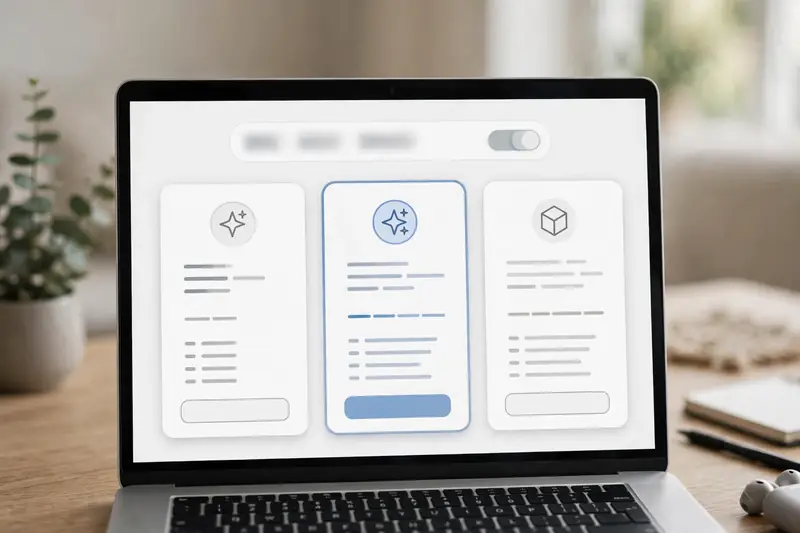
ElevenLabs charges in credits. The free plan gives 10,000 credits a month, or about 10 minutes of text to speech, and it needs no payment. Free-plan audio cannot be used commercially, and shared audio must credit ElevenLabs. Starter costs around $5 to $6 a month, adds a commercial license and Instant Voice Cloning, and gives about 30 minutes of speech. Creator costs $22 a month, adds Professional Voice Cloning and higher audio quality, and gives about 100 minutes. Plans run up to Business at $990 a month. Stork confirms the free tier limits and the plan range from its check of the pricing pages.
One credit equals roughly one character on the quality models, while Flash models use about half a credit per character, so they double your output for the same money. The recurring complaint in reviews is credit budgeting: long scripts burn through an allowance faster than people expect, and the per-character math rewards short, tight scripts.
Who ElevenLabs suits
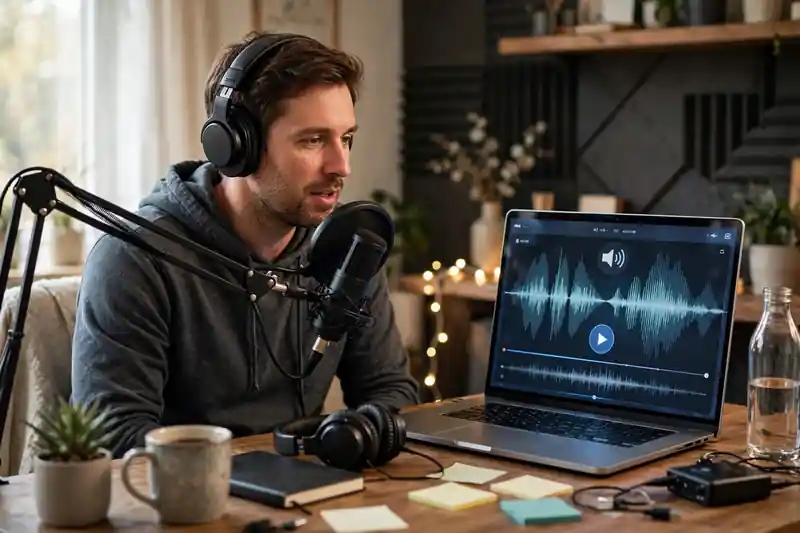
Podcasters use it to clone their own voice and record episodes without a studio session. Video producers use dubbing to reach audiences in other languages without hiring voice actors. Audiobook creators narrate long chapters in a steady voice. Developers wire the API into apps that need spoken replies. The quality is strong enough that listeners often cannot tell the voice is synthetic, which is both the appeal and the risk.
That risk is the part to take seriously. A cloned voice can impersonate a real person, and the platform’s consent checks are the main defence. Use cloning only on voices you own or have clear permission to copy, and label AI narration where your audience would want to know. The technology is neutral, and the way you use it decides whether it is a tool or a trick. The dubbing guide covers AI dubbing for video, and the AI music video generator guide looks at sound and video tools. The text to video generator guide covers turning scripts into video, and the image to video guide covers free animation tools. The best AI tools comparison places ElevenLabs beside other audio tools, and the guide to using AI well covers habits that keep AI output honest.

Frequently asked questions about elevenlabs
What is ElevenLabs?
ElevenLabs is an AI audio platform that started in 2022. Its core product is text to speech, and it also offers voice cloning, dubbing, speech to text, sound effects, music, and conversational voice agents.
Is ElevenLabs free?
Yes, there is a free plan with 10,000 credits a month, or about 10 minutes of speech. You cannot use free-plan audio commercially, and shared audio must credit ElevenLabs.
How much does ElevenLabs cost?
Paid plans start with Starter at around $5 to $6 a month, Creator costs $22 a month, and plans run up to Business at $990 a month. Prices change, so check the pricing page before subscribing.
What is voice cloning in ElevenLabs?
Voice cloning builds a copy of a voice from recordings. Instant Voice Cloning needs one to two minutes of audio, while Professional Voice Cloning needs 30 minutes or more and covers your own voice only.
How many languages does ElevenLabs support?
Eleven v4 supports more than 90 languages, and the Scribe transcription tool also covers more than 90 languages. Older models cover fewer, so check the model you plan to use.
Can ElevenLabs clone any voice?
Cloning needs a consent confirmation, and the company restricts clones of certain public figures. Only clone a voice you own or have clear permission to copy.
Is ElevenLabs safe to use?
ElevenLabs is a legitimate company with published terms and prices. The safety risk sits with how cloning is used, so keep consent records and label AI narration where your audience would want to know.