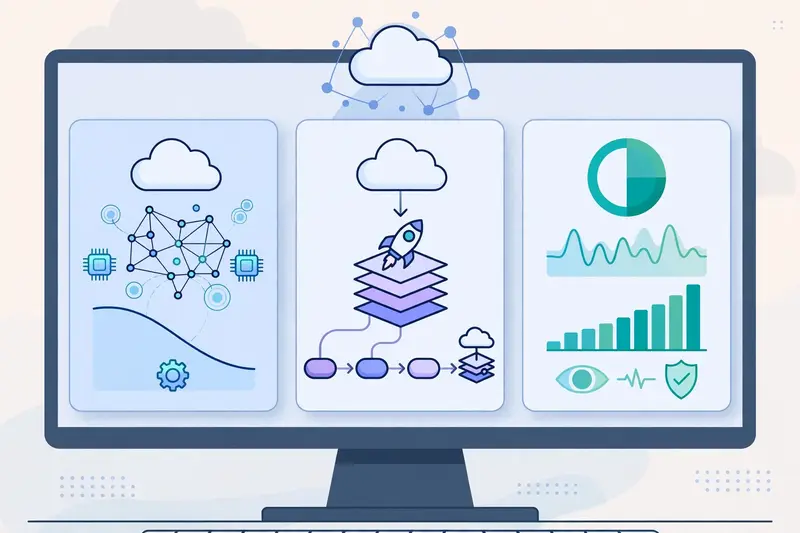
Vertex AI is Google Cloud enterprise platform for building, training, deploying, and managing machine learning and generative AI, with the security, compliance, and scale that production systems need.
It is not a chatbot. It is the platform behind the chatbot. A team uses Vertex AI to pick a model from the Model Garden, tune it on their own data, deploy it as an API, and monitor it in production. The Gemini API and Google AI Studio test a model. Vertex AI runs it for customers.
The name changed in 2026. At Google Cloud Next in April 2026, Google folded Vertex AI into the Gemini Enterprise Agent Platform, which Google describes as an evolution of Vertex AI. The capabilities still apply. Most of the product names changed, and the docs now map the old names to the new ones. This guide uses Vertex AI, the name people search for, and notes the new name where it matters.
What Vertex AI does
Vertex AI covers the full AI lifecycle in one platform. Training builds a model on your data. Tuning adapts a foundation model to your task. Deployment puts the model behind an API your app can call. Monitoring watches for drift, errors, and cost, and alerts the team when something moves.
The Model Garden is the starting point. It holds Google models such as Gemini and Imagen, third party models such as Anthropic Claude, and open source models such as Gemma. A team picks a model, tests it, and deploys it without building the infrastructure underneath. Google DeepMind describes the Gemini models that sit at the centre of the garden.
MLOps tools handle the unglamorous half of AI work: pipelines automate training and deployment, and monitoring tracks performance after launch. That plumbing is what separates a demo from a system that runs for a year without breaking.
Vertex AI vs Google AI Studio vs the Gemini API
These three Google products serve different people, and picking the wrong one wastes time or money. Google AI Studio is a free browser workbench for testing prompts and prototyping. The Gemini API is a direct way to call Gemini models with an API key. Vertex AI is the enterprise platform for teams that need governance and scale.
The split shows in the details. The Gemini API uses an API key and a Google account. Vertex AI uses a Google Cloud account, service accounts, and IAM permissions, with 24/7 enterprise support and SLAs for service availability.
Compliance is the clearest split. The Gemini API carries no compliance certifications such as HIPAA or SOC 2. Vertex AI supports those certifications, with data residency, customer managed encryption keys, and Access Transparency. A hospital, a bank, or any regulated team should use Vertex AI, not the plain API. Google Cloud documents the Vertex AI platform and the compliance controls on its own pages.
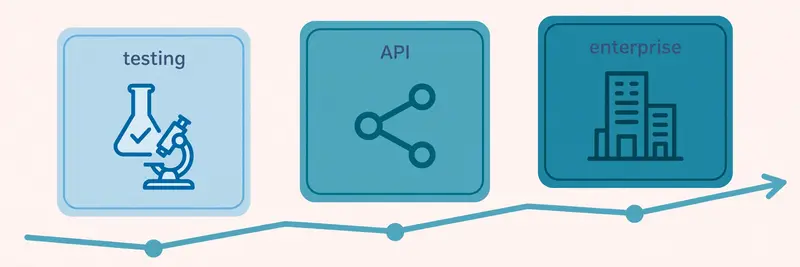
How teams use Vertex AI
A retail team uses it to recommend products, forecast inventory, and answer support questions with a tuned model. A bank uses it to flag risky transactions, with audit logs for every decision. A hospital uses it for research workflows and document summaries, with the governance controls that health data demands.
Agent building is the newest use. The platform offers an Agent Development Kit, a low code Agent Studio canvas, an Agent Garden of prebuilt agents, and an Agent Runtime for deployment.
Vertex AI pricing: what it actually costs
Vertex AI has no flat subscription. Pricing is usage based and varies by service, model, compute, storage, and workload. A short test with a small model costs little. Training a large model on a big dataset costs far more. The pricing page lists each model and service separately, and that page is the source to check before you budget.
New users get a $300 Google Cloud credit for 90 days to try the platform. The free trial is a test, not a permanent free tier for the whole platform.
Costs hide in three places: training compute, inference for each call to a deployed model, and storage and data transfer. Set budget alerts in the Cloud console on day one, before the first real workload runs.
How to start with Vertex AI
Create a Google Cloud project and enable billing. That step is the main difference from AI Studio, which needs only a Google account.
Open Vertex AI Studio, the playground inside the platform, and test a prompt on a Gemini model. When a prompt works, export it as code and call the same model from your app with the Vertex AI SDK, in Python, Node.js, Go, or Java.
Start with a managed model before you train your own. Most teams never need custom training. A foundation model with good prompting and retrieval over their own documents covers the job. Google documents the move from AI Studio to Vertex AI for teams that outgrow the workbench.
The Gemini Enterprise Agent Platform rename
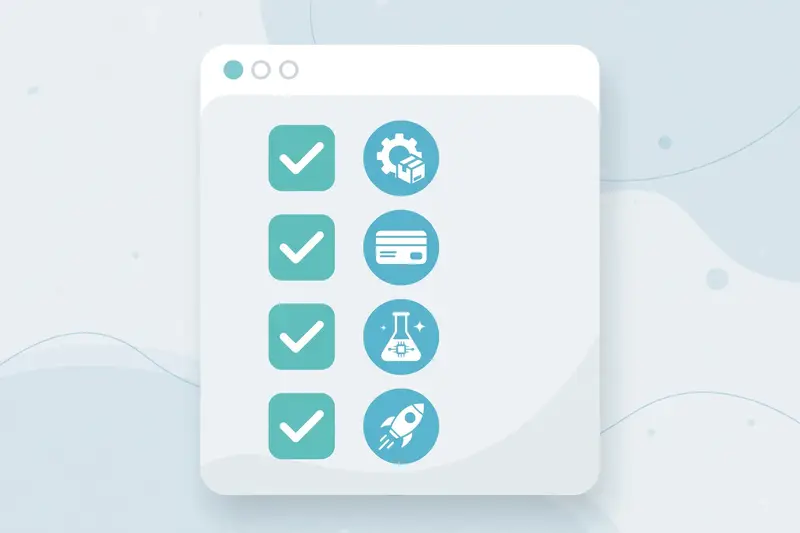
Google renamed Vertex AI to the Gemini Enterprise Agent Platform in April 2026, and the rename confuses people who search for the old name. The platform is the same one, with new names for its parts. Vertex AI Model Garden became Model Garden on the Agent Platform. Vertex AI Pipelines became Pipelines. Vertex AI Agent Engine became Agent Runtime. Vertex AI Search became Agent Search.
Frequently asked questions about Vertex AI
What is Vertex AI used for?
Vertex AI builds, trains, deploys, and manages AI systems in production. Teams use it for chatbots, agents, search over their own documents, recommendations, forecasting, and tuned models, with enterprise security and monitoring.
Is Vertex AI free?
No, Vertex AI is usage based, with no permanent free tier for the whole platform. New users get a $300 Google Cloud credit for 90 days, and some APIs offer an express trial within quotas. Google Cloud lists Vertex AI pricing on its own pages.
Is Vertex AI the same as Google AI Studio?
No, AI Studio is a free browser workbench for testing prompts and prototyping. Vertex AI is the enterprise platform for production systems, with service accounts, compliance, support, and SLAs. Our Google AI Mode guide covers another Google AI surface, and the best AI tools comparison places the Google platforms side by side.
What is Vertex AI now called?
Google folded Vertex AI into the Gemini Enterprise Agent Platform in April 2026. The capabilities continue under new names, and Google docs map the old Vertex AI names to the new Agent Platform names.
Do I need to code to use Vertex AI?
The playground needs no code. Building a production system does. The SDKs cover Python, Node.js, Go, Java, and ABAP, and the low code Agent Studio canvas covers simple agents without code.
Is Vertex AI good for small businesses?
It can be, for a small team with a production system and compliance needs. For testing an idea, start in Google AI Studio, which is free. Move to Vertex AI when you need service accounts, compliance, support, or scale. The Gemini vs ChatGPT comparison covers the chatbot models, our Google Gemini update guide tracks the model lineup, and the best AI SEO tools cover the optimisation side.